IMPORTANT DISCLAIMER
This content is provided for educational and informational purposes only and does not constitute medical advice, diagnosis, or treatment. Psilocybin-containing truffles are subject to local laws and regulations. Always verify the legal status in your country or region before purchasing or using any product. Microdosing is not suitable for everyone. Individuals with a history of psychosis, schizophrenia, bipolar disorder, cardiovascular conditions, or those using medication affecting serotonin should consult a qualified medical professional before use.
Effects vary per individual. HeldCBD offers microdosing products but makes no medical claims and does not guarantee specific outcomes.
Psilocybin has gained growing attention in modern wellness and neuroscience. While traditionally known for its psychedelic effects, current research is exploring its potential role in brain health, neuroplasticity, emotional balance, and overall well-being—particularly when used in small, controlled amounts known as microdosing.
If you’re interested in exploring this approach, you can view our curated selection of
microdosing truffles, designed for subtle and responsible use.
Table of Contents
What Is Psilocybin?
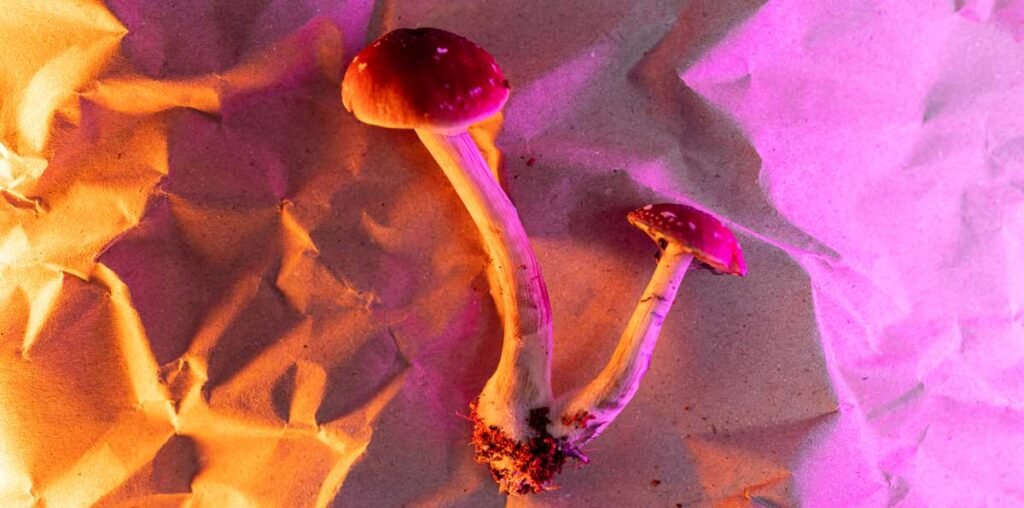
Psilocybin is a naturally occurring compound found in certain species of fungi, including magic truffles. After ingestion, it is converted by the body into psilocin, the compound responsible for its effects on the central nervous system.
Psilocin interacts primarily with serotonin receptors, especially the 5-HT2A receptor, which plays a role in mood, perception, learning, and cognition. This unique interaction is why psilocybin is being studied beyond recreational contexts.
Psilocybin & Cellular Health
Emerging scientific research suggests that psilocybin-related compounds may have effects beyond the brain. A 2025 study published in npj Aging explored the influence of psilocin on cellular aging in laboratory models.
- Delayed cellular senescence markers
- Improved cellular longevity
- Reduced oxidative stress
- Support of DNA protection mechanisms
While these findings are preliminary and largely based on lab and animal research, they point toward an expanding field of interest in psilocybin’s biological impact.
How Psilocybin Affects the Brain
Unlike substances that simply elevate serotonin levels, psilocybin appears to temporarily loosen rigid neural pathways. This allows the brain to communicate more freely across different regions.
Researchers often describe this effect as a short-term “reset” of habitual thought patterns.
Understanding Neuroplasticity
Neuroplasticity refers to the brain’s ability to reorganize itself by forming new neural connections. Healthy neuroplasticity supports learning, emotional flexibility, creativity, and resilience to stress.
- Increased synaptic density
- Enhanced communication between brain regions
- Elevated BDNF (Brain-Derived Neurotrophic Factor)
BDNF plays a key role in learning, memory, and emotional regulation and is often reduced during periods of chronic stress or depression.
What Is Microdosing?
Microdosing involves taking very small, sub-perceptual amounts of psilocybin—typically around 1/10 to 1/20 of a full dose. The intention is not to experience psychedelic effects, but subtle changes in focus, mood, and awareness.
- Improved focus and concentration
- More balanced emotional response
- Enhanced creativity
- Reduced perception of stress
Microdosing Magic Truffles: General Guidelines
Commonly referenced microdosing ranges include:
- Fresh truffles: 0.25 – 1 gram
- Dried truffles: 0.1 – 0.6 grams
Popular schedules include:
- Fadiman Protocol: Dose on Day 1, followed by two days off
- Cyclic Protocol: Two days on, two days off
You can explore pre-measured and beginner-friendly options in our
microdosing truffles collection.
Safety Considerations
- Start with the lowest possible dose
- Avoid late-day dosing due to potential sleep disruption
- Do not combine with other psychoactive substances
- Discontinue use if unwanted effects occur
Responsible use, education, and self-awareness are essential when exploring microdosing.
Conclusion
Psilocybin represents a fascinating intersection between ancient practices and modern neuroscience. While research is ongoing, early findings suggest potential benefits related to brain flexibility, emotional balance, and adaptability—particularly when approached through responsible microdosing.
If you’re curious to explore this path, view our
microdosing truffles range
to find options that suit your needs.